Small Space, Big Impact: Interior Design Ideas for Urban Apartments
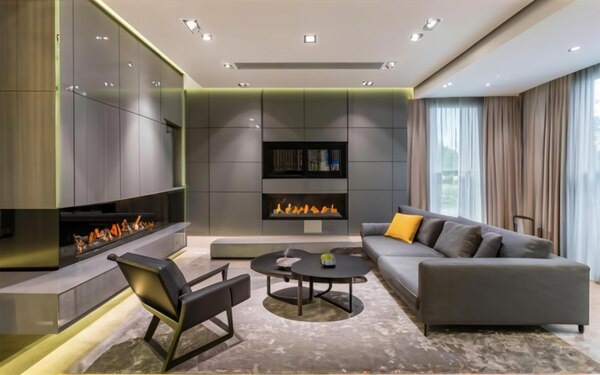
Urban apartments might be small in square footage, but they can be huge in personality and comfort. The key is to treat every inch as valuable, design with intention, and balance aesthetics with function. Below are practical, style-forward ideas to help you get the most out of a compact city home.
1. Start with a Clear Layout Strategy
Before buying furniture or decor, map out how you’ll actually live in the space.
- Define zones: Even in a studio, visually separate sleeping, working, and relaxing areas. Use rugs, lighting, or furniture placement instead of walls.
- Keep main pathways clear: Decide on one or two “traffic routes” and avoid placing bulky pieces there. This makes the apartment feel more spacious and easy to move through.
- Float furniture: You don’t have to push everything against a wall. A sofa slightly off the wall with a slim console behind it can visually expand the room.
Tip: Sketch a simple floor plan and cut out scaled paper “furniture” pieces, or use a free planning app, to test arrangements before you commit.
2. Use Light and Color to Open Up the Space
Color and light can dramatically shift how big or small a room feels.
- Light, neutral bases: Whites, soft greys, beiges, and pale taupes reflect light and visually push walls outward. Use these for major surfaces: walls, large rugs, big furniture pieces.
- Layered lighting: Avoid relying on a single overhead ceiling light.
- Ambient: ceiling fixtures or track lighting.
- Task: desk lamps, under-cabinet lights, reading lamps.
- Accent: wall sconces, picture lights, or LED strips in shelves.
- Strategic contrast: Add depth with a few darker accents—throw pillows, a side chair, or a feature wall—so the room doesn’t feel flat or sterile.
- Maximize natural light:
- Use sheer curtains or blinds that fully stack out of the window frame.
- Choose low-profile furniture near windows.
- Avoid dark, heavy window treatments that visually close the room.
3. Choose Multi-Functional Furniture
In a small apartment, every piece should earn its place.
- Sofa beds & daybeds: Ideal for studios or one-bedrooms that double as guest spaces.
- Extendable or drop-leaf tables: Keep them compact for daily use, then expand when you have guests.
- Storage ottomans & benches: Extra seating, hidden storage, and a coffee table surface with a tray.
- Nesting tables: Pull out when needed, tuck away when not.
- Folding or stackable chairs: Great for entertaining—store them on a wall hook or in a closet.
Look for hidden features: beds with drawers underneath, coffee tables that lift to desk height, nightstands with extra shelving, or media consoles with closed storage.
4. Go Vertical: Walls, Height, and Overlooked Surfaces
When floor space is tight, the only way is up.
- Tall shelving units: Floor-to-ceiling bookcases or open shelves draw the eye upward and provide massive storage.
- Wall-mounted storage:
- Floating shelves for books, decor, or kitchen items.
- Wall-mounted nightstands, vanities, or desks to keep the floor clear.
- High-mounted curtain rods: Hang curtains close to the ceiling and let them fall to the floor to make windows—and the whole room—feel taller.
- Over-door storage: Hooks, racks, or shelves above doors for infrequently used items.
- Pegboards and rail systems: Especially useful in kitchens, entryways, and workspaces for hanging tools, utensils, or accessories.
5. Create Visual Separation Without Building Walls
You can define areas without sacrificing light and openness.
- Area rugs: One rug for the “living room,” another for the “bedroom” in a studio. Even small rugs can visually anchor zones.
- Open shelving as divider: A low or open bookcase between bed and sofa separates areas but still lets light pass.
- Screens and curtains: Lightweight room dividers or ceiling-mounted curtains can provide privacy around a bed or workspace and can be opened when not needed.
- Different lighting in different zones: A floor lamp over the sofa, a pendant over the dining table, and a desk lamp in the work area subtly delineate functions.
6. Declutter with Intention
In a small space, clutter shows instantly. Minimalism here is less about aesthetics and more about sanity.
- Edit regularly: Keep only what you use or genuinely love. Donate, sell, or recycle the rest.
- Contain visual chaos:
- Use baskets, boxes, and bins inside open shelves.
- Prefer closed storage for unattractive necessities (cables, papers, cleaning supplies).
- Set limits:
- One shelf for books, one drawer for tech, one bin for seasonal decor, etc.
- When a zone is full, something has to go before something new comes in.
Design wise, aim for “display a few, store the rest.” A couple of curated objects on a shelf reads as intentional; dozens feel packed and overwhelming.
7. Small-Space Kitchen Strategies
Urban apartment kitchens are often narrow or compact, but smart design can make them highly functional.
- Use vertical space:
- Add shelves above the counter or above existing cabinets.
- Install rails with hooks for utensils, mugs, or small pots.
- Slim, compact furniture:
- A narrow console or bar cart for extra prep space and storage.
- A small, round table instead of square to improve flow.
- Uniform containers: Decant pantry items into matching jars or canisters to reduce visual noise and make small shelves feel organized.
- Magnetic solutions: Knife strips, spice racks on the side of the fridge, or magnetic hooks for towels and mitts.
8. A Calm, Efficient Bedroom
Your bedroom should feel like a retreat, even if it shares space with your living room.
- Optimize under-bed storage:
- Drawers, low rolling bins, or bed risers if necessary.
- Store out-of-season clothing, luggage, and spare linens.
- Headboard with function:
- Built-in shelves, integrated lighting, or a narrow ledge for books and a glass of water.
- Slim nightstands:
- Wall-mounted shelves or tiny tables can be enough for essentials and keep things airy.
- Limited color palette:
- Soft, cohesive tones for bedding, curtains, and rug help the area feel restful, not visually busy.
In a studio, place the bed in the quietest, least trafficked corner; use a low shelf, screen, or curtain to give it a sense of privacy.
9. Living Room: Flexible and Social
The living area usually has to do a lot of work—relaxation, work, entertainment.
- Right-sized sofa:
- Don’t over-scale your seating; a compact loveseat or slim-profile sectional is often better than a bulky three-seater.
- Light, leggy furniture:
- Sofas on visible legs, glass or acrylic tables, and open side tables feel less heavy than chunky block forms.
- Adjustable pieces:
- A coffee table that converts into a desk or dining surface.
- Poufs that act as footrests, side tables (with a tray), or extra seating.
- Media storage:
- Choose a media console with drawers or cabinets to hide cables, devices, and games.
- Consider wall-mounting the TV to free surface space.
10. Smart Storage in Entryways and Hallways
Even the tiniest entryway can be functional with the right approach.
- Wall hooks instead of bulky coat racks.
- Slim shoe cabinet or bench with storage underneath.
- Mirror with shelf for keys, sunglasses, and mail.
- Vertical organization: Use the full height with hooks, a narrow shelf, or a pegboard.
These everyday touchpoints set the tone: if your entry is organized and pleasant, the apartment feels more under control.
11. Use Mirrors and Reflective Surfaces Wisely
Mirrors can visually double your space when placed carefully.
- Opposite windows: Reflect light and views, making rooms feel brighter and larger.
- Near dark corners: Bounce light into areas that otherwise feel cramped.
- Mirrored or glossy finishes:
- A mirror-fronted wardrobe, glass or polished-metal accents, and glossy tiles reflect light and lighten the overall feel.
Stick to a few well-chosen mirrors rather than many small ones to avoid cluttered reflections.
12. Personalize with Intention
Small spaces don’t have to look generic or “hotel-like” to stay calm and orderly.
- Choose a clear style direction: Scandinavian minimal, industrial, mid-century modern, Japandi, eclectic—then keep purchases aligned with that look.
- Curate artwork:
- One large statement piece can be more impactful and less visually noisy than a busy gallery wall.
- If you love gallery walls, keep frames cohesive in color or style.
- Textiles for personality:
- Throws, cushions, and rugs add color, pattern, and texture without taking up hard space.
- These are easy to swap out as seasons or tastes change.
- Greenery:
- A few well-placed plants bring life and softness.
- Use hanging planters or wall-mounted pots if floor space is limited.
13. Think Long-Term and Invest Where It Counts
Urban living often means moving more frequently, so prioritize flexibility.
- Modular furniture: Pieces that can reconfigure or work in different rooms will adapt to future apartments.
- Quality over quantity:
- Invest in the sofa, mattress, and key storage pieces.
- Save on items that are easy to replace, like small decor or side tables.
- Measure before you buy:
- Account for doorways, elevators, and stairwells.
- Know the dimensions of your key walls and niche spaces to avoid returns and awkward fits.
14. Mindset: Small Space as an Advantage
A compact urban apartment can be:
- Easier to maintain: Less to clean, less to accumulate.
- More intentional: Every purchase and design choice matters.
- Cozier and more efficient: Everything you need is within easy reach if you plan well.
By focusing on layout, light, multifunctional pieces, and smart storage, you can turn a small footprint into a high-impact, highly personal home that suits modern city life.