Timeless Interior Design Trends for Modern American Homes
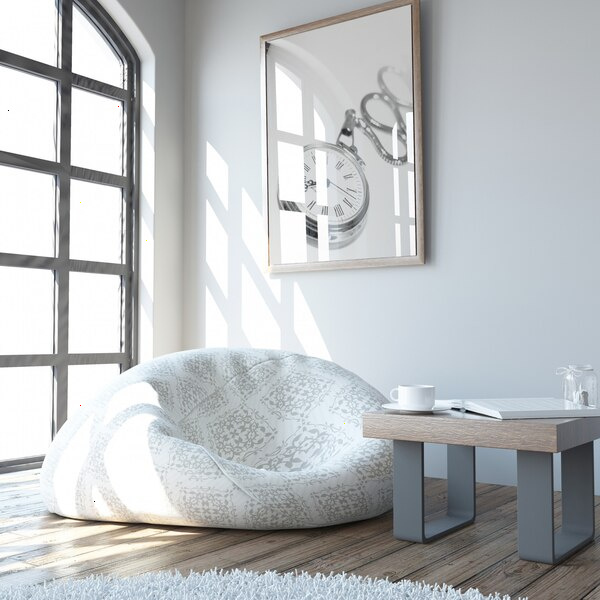
Design trends come and go, but the most successful American interiors share one thing: they age well. Timeless design isn’t about copying a specific era; it’s about creating spaces that feel current today and still appealing a decade from now. Below are key principles and trends that consistently stand the test of time in modern American homes.
1. A Neutral, Layered Color Palette
Neutral doesn’t mean boring. In fact, classic American interiors often rely on a base of understated colors and then build character through texture, contrast, and carefully chosen accents.
- Foundational colors: Whites, soft grays, beiges, and greiges create a calm backdrop that works with almost any style.
- Warm over cold: Warm whites and warm neutrals feel inviting and are easier to live with than stark, cool tones.
- Layered neutrals: Combine light walls with medium-tone upholstery, natural wood furnishings, and darker accents (like black frames or bronze hardware) for depth.
- Flexible accents: Introduce color through pillows, throws, artwork, and rugs. These can be updated easily without a major renovation.
This strategy keeps rooms adaptable while still feeling thoughtful and complete.
2. Quality Over Quantity in Furniture
Timeless interiors favor fewer, better pieces over a houseful of trend-driven items.
- Simple silhouettes: Clean-lined sofas, armchairs with classic shapes, and tailored dining chairs don’t easily go out of style.
- Comfort as a priority: Deep, comfortable seating in durable fabrics (linen blends, performance textiles, leather) is always relevant.
- Investment pieces: Dining tables, beds, and sofas are worth investing in; they anchor the space and get the most use.
- Avoiding overly ornate details: Heavy carving, fussy trim, and extreme stylistic statements tend to date quickly.
Mixing a few vintage or antique pieces with new ones adds character and history without making the room feel like a period set.
3. Natural Materials and Textures
Materials that come from nature rarely feel dated, especially when balanced thoughtfully.
- Wood: Medium to light wood tones (white oak, walnut, maple) feel current yet timeless. Extremely dark or artificially gray woods are more trend-sensitive.
- Stone: Marble, quartz, limestone, and soapstone provide enduring appeal for counters, fireplaces, and tables.
- Textiles: Linen, cotton, wool, and jute add tactile warmth to a neutral palette.
- Mixed textures: Pair smooth leather with nubby pillows, sleek metal with woven baskets, and crisp upholstery with a chunky knit throw.
The visual and tactile interest created through texture keeps neutral spaces from feeling flat or sterile.
4. Balanced Use of Black and Metal Accents
A timeless modern American interior usually includes a small dose of contrast.
- Black accents: Black window frames, picture frames, lamps, or small pieces of furniture add definition and structure.
- Metal finishes: Brushed brass, aged bronze, and blackened steel age more gracefully than high-shine chrome or rose gold.
- Consistency, not uniformity: Use one or two main metal finishes throughout the home, allowing some variation (e.g., black hardware with brass lighting).
These small touches create a sense of sophistication without overwhelming the space.
5. Classic Architectural Details
Permanent elements play a major role in how “dated” a home can feel. Timeless design keeps them simple and well-proportioned.
- Trim and molding: Shaker-style doors, simple baseboards, and honest, uncomplicated moldings suit both modern and traditional furnishings.
- Built-ins: Thoughtful built-in shelving, window seats, and storage benches feel integrated and custom, which tends to age well.
- Ceiling details: Beams, coffered ceilings, or subtle paneling add interest while remaining classic when kept restrained.
When in doubt, choose the simpler version. Architecture should support the interior, not compete with it.
6. Functional, Light-Filled Kitchens
Kitchens are often the heart of American homes, and certain features show up again and again in spaces that age gracefully.
- Timeless cabinetry: Shaker or slab-front cabinets in white, off-white, or light wood are enduring choices.
- Solid-surface counters: Quartz, marble, and natural stone patterns that mimic nature last longer stylistically than bold, heavily speckled surfaces.
- Subway or simple tile: Rectangular tile, stacked or offset, rarely looks out of place, especially in white or soft neutrals.
- Practical layouts: Work triangles, islands with storage, and plenty of counter space matter more than highly specific “statement” features.
Understated hardware and warm, layered lighting help the kitchen feel inviting rather than purely utilitarian.
7. Comfortable, Relaxed Living Spaces
American homes value casual comfort. Timelessness here comes from prioritizing livability.
- Human-scale furniture: Pieces that fit the room, allow for easy conversation, and don’t block light or walkways.
- Symmetry and balance: Pairing sofas with chairs, or using matching side tables and lamps, creates visual calm.
- Livable fabrics: Performance fabrics that resist stains and wear help rooms stay beautiful over time.
- Multifunctional layouts: Spaces that work for lounging, reading, and socializing adapt better as lifestyles change.
The goal is a room that looks thoughtfully designed but never so precious that people are afraid to sit down.
8. Soft, Layered Lighting
Lighting strongly influences atmosphere and can quickly reveal a space’s age if chosen solely for shock value.
- Layered approach: Combine ambient (ceiling lights), task (reading lamps, under-cabinet lighting), and accent lighting (picture lights, sconces).
- Classic forms: Simple drum shades, lantern-style pendants, and understated sconces work with many decor styles.
- Warm temperature: Warm white bulbs (around 2700K–3000K) create a flattering, inviting environment.
- Dimmer switches: Dimming capabilities add instant flexibility and sophistication for little cost.
Avoid heavily themed fixtures that dominate the room; focus instead on shape, scale, and warmth.
9. Thoughtful Use of Pattern and Color
Timeless doesn’t equal colorless. It’s about how color and pattern are used.
- Anchor with solids: Use solid or subtly textured upholstery on major pieces, reserving bold patterns for smaller, easily replaced items.
- Classic patterns: Stripes, checks, plaids, and small-scale florals have a long design history and mix well with modern pieces.
- Cohesive palette: Stick to a limited color family that flows through the home, varying intensity from room to room.
- Art as expression: Artwork and photography can be more personal and daring, bringing individuality without locking the architecture into a trend.
This approach allows rooms to evolve gradually as your taste changes.
10. Personalized, Not Over-Styled, Decor
What truly keeps an interior from feeling dated is how connected it is to the people who live there.
- Meaningful objects: Display books you actually read, travel finds, family photos, or heirlooms rather than only generic decor.
- Curated surfaces: Coffee tables, shelves, and consoles look best with a mix of heights and textures, but not overcrowded.
- Negative space: Empty space on walls or surfaces gives the eye rest and prevents cluttered visuals.
- Edit regularly: Removing items that no longer serve you or fit the space keeps the home feeling fresh.
Spaces that reflect real lives will always feel more timeless than ones chasing a catalog look.
11. Flexibility for Future Changes
Part of being timeless is being adaptable. Good design anticipates change.
- Modular pieces: Sectionals in separate components, moveable side tables, and lightweight accent chairs let you reconfigure as needed.
- Universal layouts: Furniture arrangements that allow for different functions over time—play area today, reading nook tomorrow—extend the life of the design.
- Replaceable elements: Lean into changeable items (textiles, paint, accessories) when you want to experiment with trends.
A flexible foundation means you can enjoy new ideas without committing to a major overhaul.
12. Selecting Trends Wisely
Modern American homes will always be touched by current trends; the key is using them with intention.
- Small doses: Try trend-forward colors or shapes in pillows, art, or a single accent chair, not in fixed elements like tile or built-ins.
- Test of time: Before embracing a bold choice, ask whether you can see yourself loving it for at least five to ten years.
- Blend old and new: Combining contemporary fixtures or technology with classic forms keeps spaces feeling updated but not disposable.
By treating trends as accents rather than foundations, your home can feel both contemporary and enduring.
Timeless interior design for modern American homes is less about following rules and more about building a thoughtful, durable framework: calm palettes, comfortable furniture, quality materials, and meaningful details. When you prioritize livability and authenticity over novelty, your spaces will continue to feel fresh, welcoming, and relevant—no matter what the next wave of trends brings.